Define
Clarify the outcome, environment, constraints, evidence, and decision criteria.
Monitor crowds, safety zones, congestion, and defined incidents across public facilities and shared environments.
Discuss This Work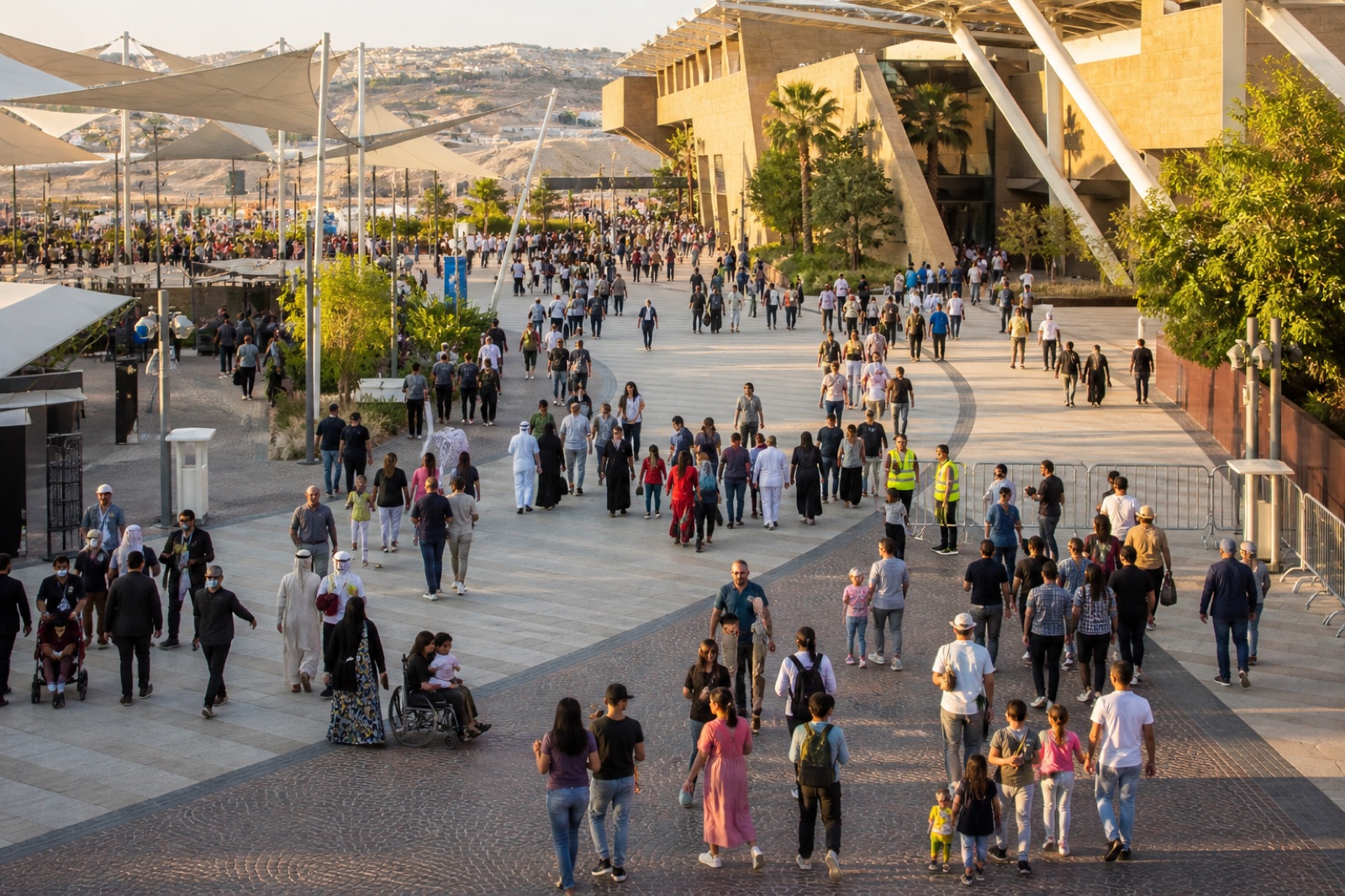
Large public environments can change quickly. Operations teams need timely, explainable signals about crowd conditions, restricted areas, and unusual events so they can coordinate an appropriate response.
Each engagement is shaped around the environment, interfaces, governance, procurement path, and people responsible for operating it.
Crowd density
Congestion
Restricted areas
Abnormal events
Public-facility awareness
Incident coordination
P47.ai connects technical decisions to procurement clarity, deployment ownership, and measurable operating needs.
A focused process keeps technical, commercial, governance, and deployment decisions connected.
Clarify the outcome, environment, constraints, evidence, and decision criteria.
Design the technical, commercial, governance, and deployment model together.
Test critical assumptions in representative conditions before commitment.
Implement, document, hand over, and establish the support path.
Systems can be evaluated for density, congestion, directional flow, threshold crossings, and activity in defined zones. Performance depends on the environment and camera view.
No. Video intelligence provides awareness and decision support. Outcomes still depend on operating procedures, human response, and conditions on the ground.
Yes. An architecture can aggregate event signals across sites, subject to bandwidth, security, retention, and operational requirements.
Bring the operating need, environment, and constraints. P47.ai will help define the next practical step.